

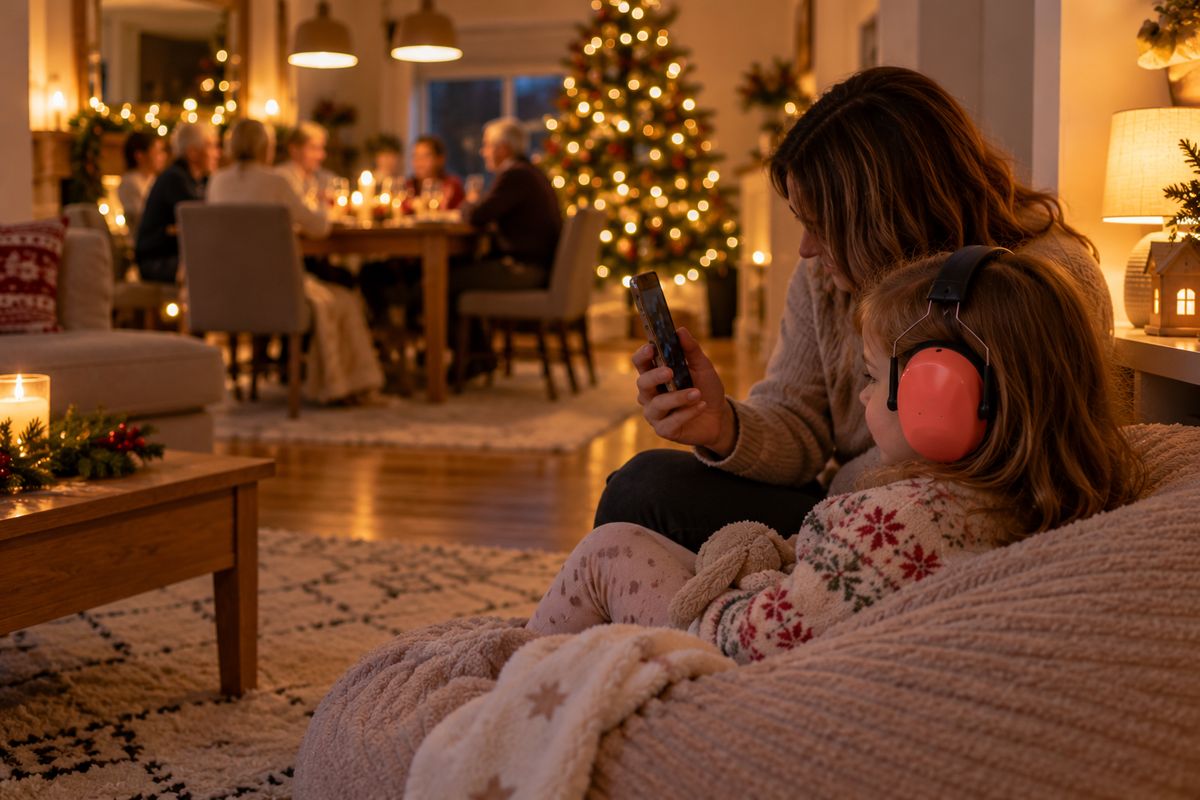
Why Christmas can be so hard
For a child who relies on routine, the Christmas holidays take away nearly everything that makes a day predictable, all at once:
- No school routine. The structure that holds the week together disappears for two weeks or more.
- Home doesn't look like home. Furniture moves for the tree, lights flash, the familiar room is suddenly different.
- People and places change. Visitors arrive, you visit relatives, there are long car journeys and unfamiliar houses.
- Everything is louder and later. Crackers, music, crowded shops, busy tables and late nights.
- Surprises are the point. Wrapped presents are, by design, things you can't see coming.
None of that is about being ungrateful or difficult. It's a lot of transitions, with very little warning, in a short space of time. The good news is that the same thing that helps with everyday transitions helps here: showing what's happening now, and what comes next.
Five simple boards for the holidays
Keep each one short. Two or three steps is plenty, and every board should end with something your child is happy to head towards.
1. Visiting family
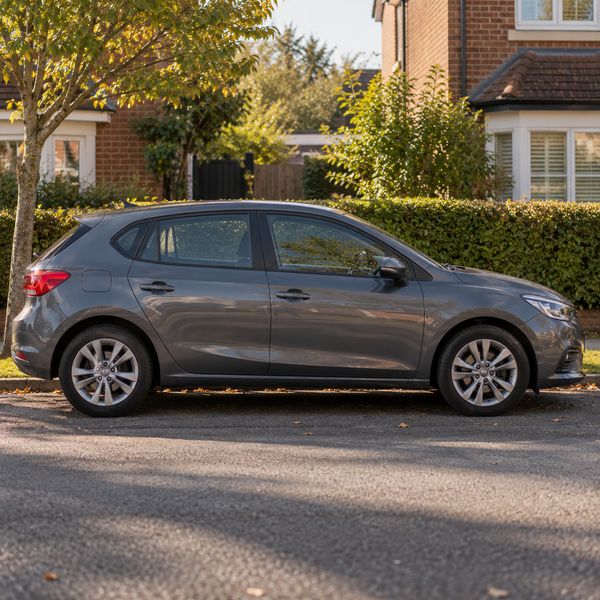 CarYour car, or their car seat.
 Grandma's doorA photo of the actual front door you're going to.
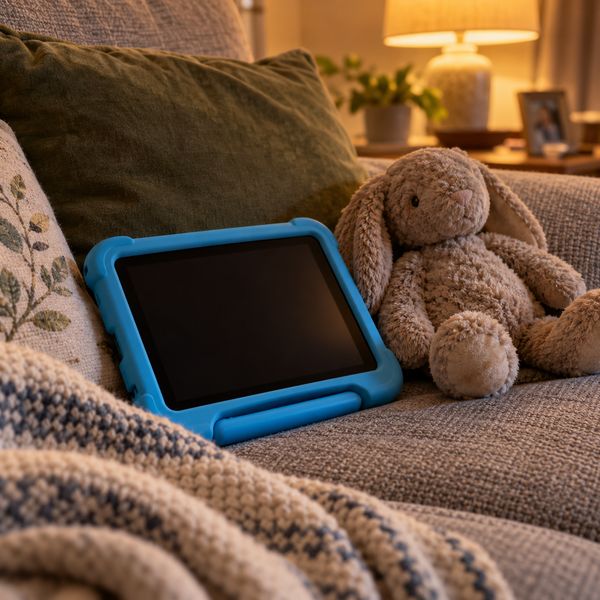 Favourite thingTheir tablet, a toy, something they love, packed and ready.
Ask relatives to send a photo of their front door, the room you'll sit in, or the person who'll answer the door. A photo of somewhere new is far less worrying than the word “Grandma's”.
2. Visitors arriving
 First: say helloA photo of the visitor, if you have one.
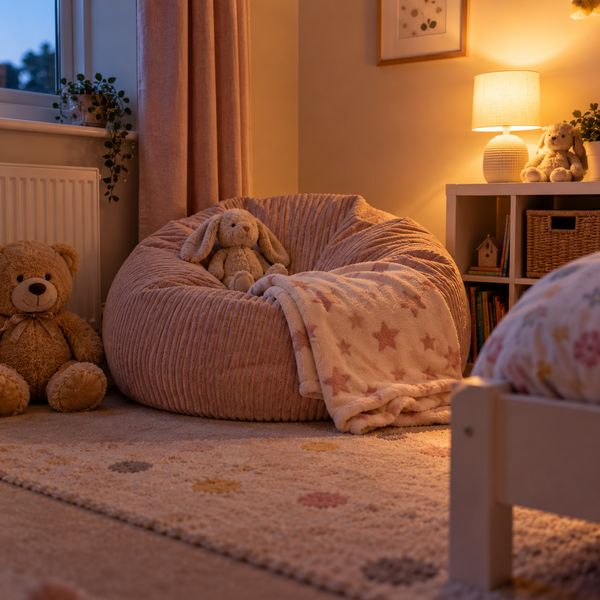 Then: quiet roomTheir bedroom, tablet, or a calm spot of their choosing.
Showing that the busy part is short, and that their quiet space is still there, can make the doorbell much less of a shock.
3. Presents
 First: open oneA photo of a wrapped present.
 Then: play with itTime to enjoy that one before the next.
Opening presents one at a time, with a break to play in between, is often calmer than a pile of paper all at once. Some families also leave presents unwrapped, or wrap them in clear cellophane, so there's no surprise at all. Do what works for your child.
4. A busy day out
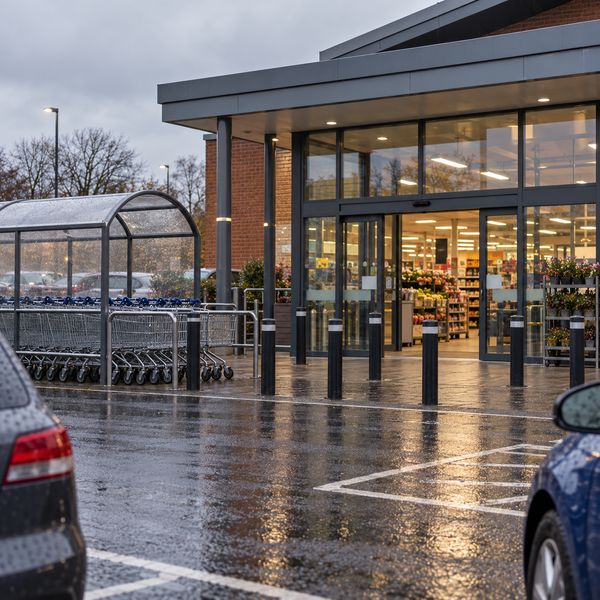 ShopsThe actual shop or market you're going to.CarBack in the car.HomeYour front door, then their favourite show.
Knowing exactly when it ends matters as much as knowing what happens. The last photo should always be the way home.
5. Christmas Day itself
Don't try to put the whole day on one board. Make two or three small ones you can switch between: presents → breakfast, car → Grandma's → home, dinner → quiet time. Small boards are easier to follow and easier to change when the plan does.
Things that make a real difference
- Keep one thing the same. If bedtime, bath or breakfast can stay exactly as normal, keep that board exactly as normal. It's an anchor in a strange fortnight.
- Take the photos early. Photograph the tree going up, the decorated room, relatives' houses on earlier visits. Show them before the day, not just on it.
- Plan the escape route. Have a “quiet space” photo ready for when it all gets too much, and use it before things boil over, not after.
- Fewer plans, not more boards. No board makes a packed day easy. Cutting one visit often helps more than any amount of preparation.
- Always follow through. If the board says the favourite show comes after the shops, it has to. That's what makes the next board believable.
After the holidays
Going back to school can be as hard as stopping. A week before term starts, bring back the school-morning board and show photos of the school gate and classroom again. Changing back gradually is easier than a sudden switch on the first morning.
Why visual supports help
Visual supports, including visual schedules, are listed as an evidence-based practice for autistic children in a major US review of the research, the National Clearinghouse on Autism Evidence and Practice report (2020) (AFIRM summary). They help by making a change visible before it happens, which is exactly what the holidays are full of.
SnapThen is a simple form of AAC for understanding what comes next. Every child is different, so if you have a speech and language therapist or a school SENCO, they can help you adapt these ideas to your child.
Build your holiday boards now
Take the photos this week, while things are calm. Start with up to two boards free.


Start with up to two boards free. A one-time purchase unlocks unlimited boards. The unlock is currently available in the UK; check your store for price and availability. Boards and photos stay on your device in normal use, with no account. See the privacy policy.
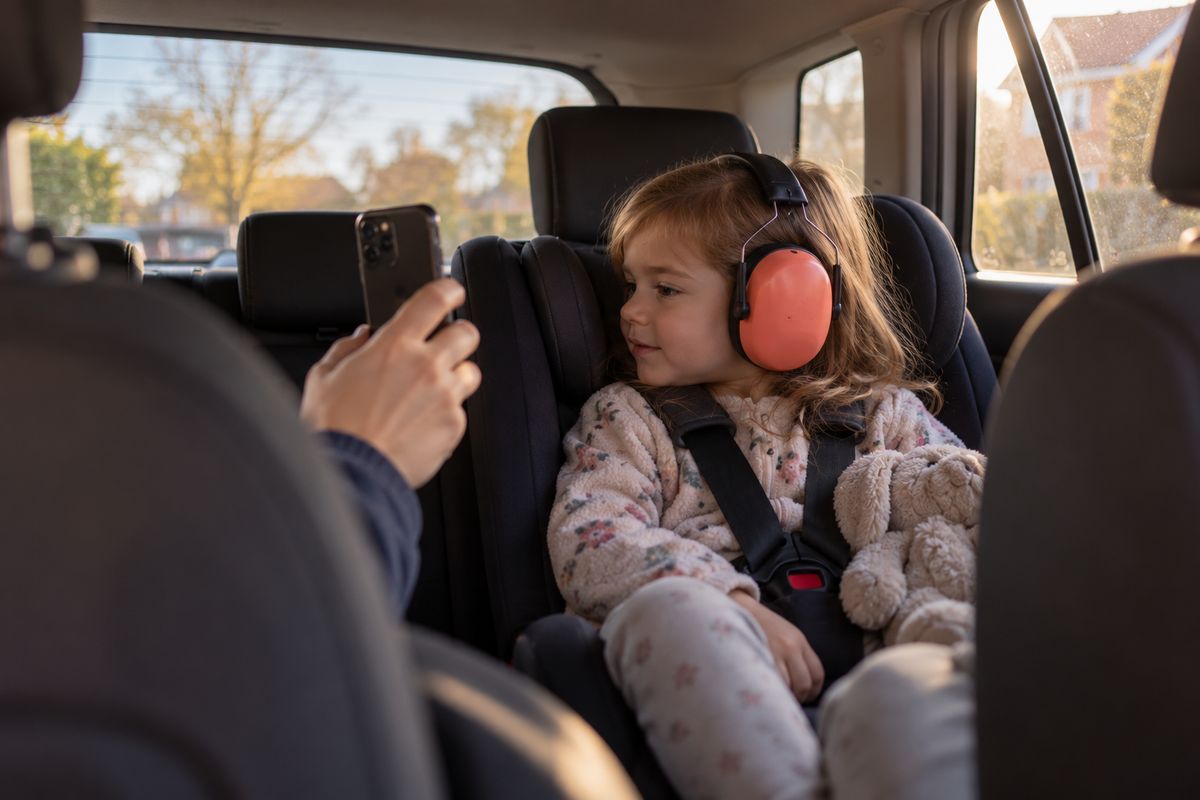 Getting out of the car
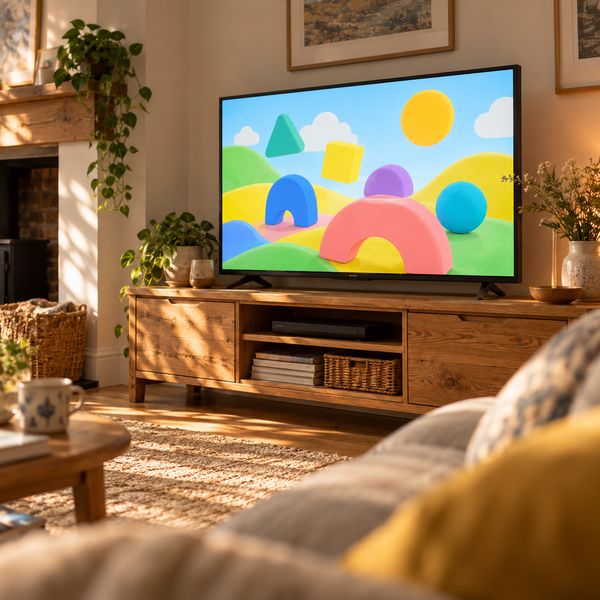 How first-then boards work