

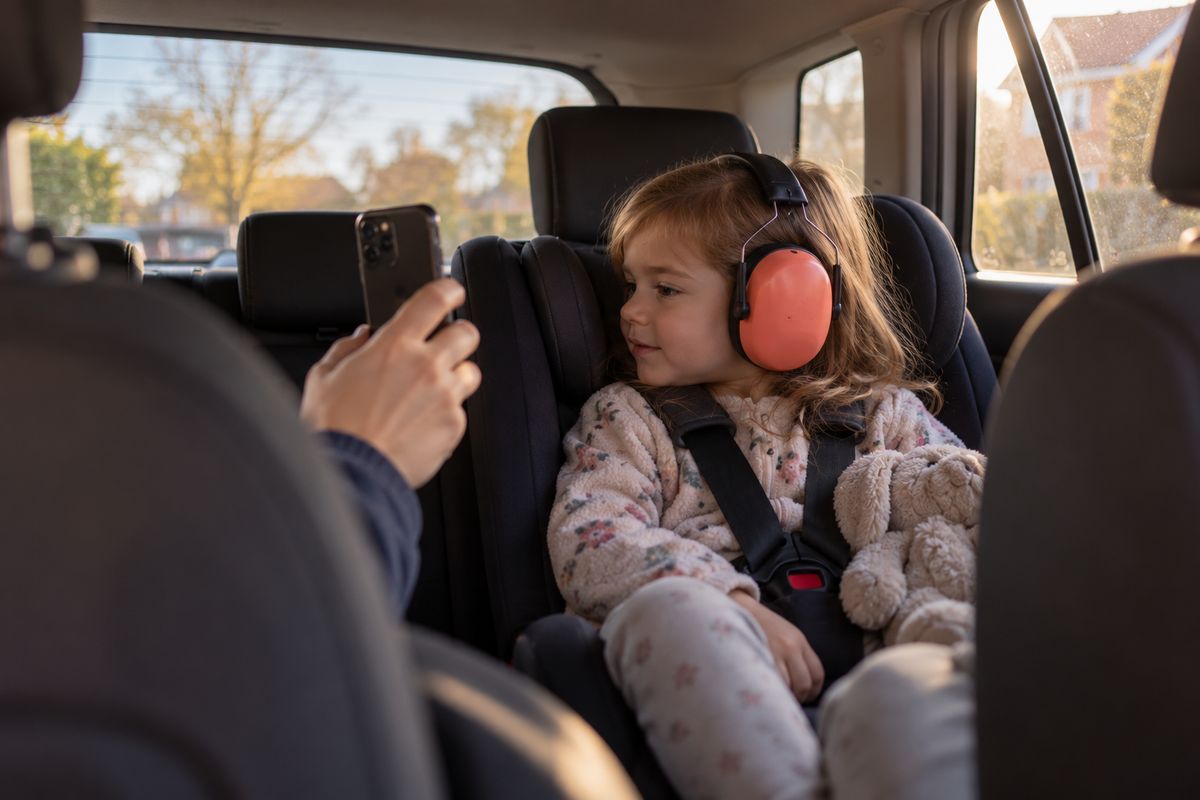
Why such a small moment can go so wrong
You pull onto the drive and, instead of hopping out, your child digs in. Refusing to unbuckle, screaming, or going completely rigid. You're trying to get the shopping in, maybe other children too, and a ten-second job becomes twenty minutes on the drive. Anyone who hasn't lived it tends to assume it's about behaviour. It usually isn't.
For many autistic children, and children with ADHD or limited speech, the hard part is the transition, not the house:
- Something is ending. The car is contained, predictable and often calming. Leaving it means giving that up.
- What happens next isn't clear. “We're going inside” is just words. If spoken language is hard to process, especially when tired, the next step can feel like a void.
- Everything arrives at once. Cold air, noise, the seat belt, being hurried. After school or a busy trip, there may be nothing left in the tank to cope with it.
Saying it louder or more times rarely helps, because the problem isn't hearing. It's not being able to see what's coming.
The idea: show what's next, and make it worth heading towards
A first-then board shows two pictures: what happens first, and what comes then. For the car, it's as simple as:
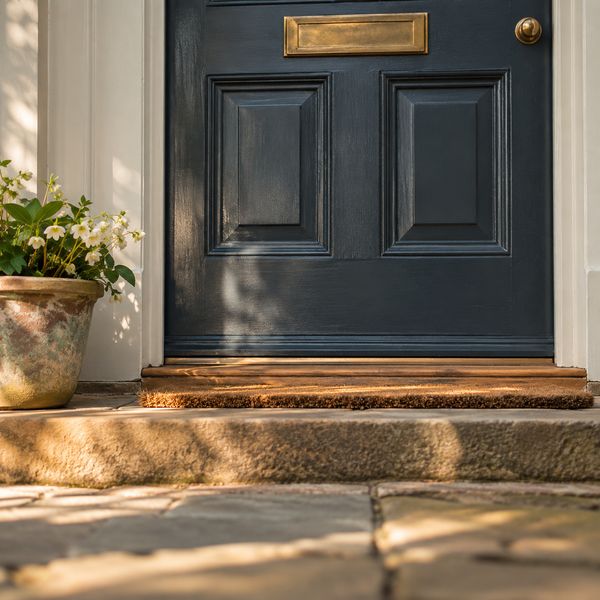 First: front doorA photo of your actual front door.
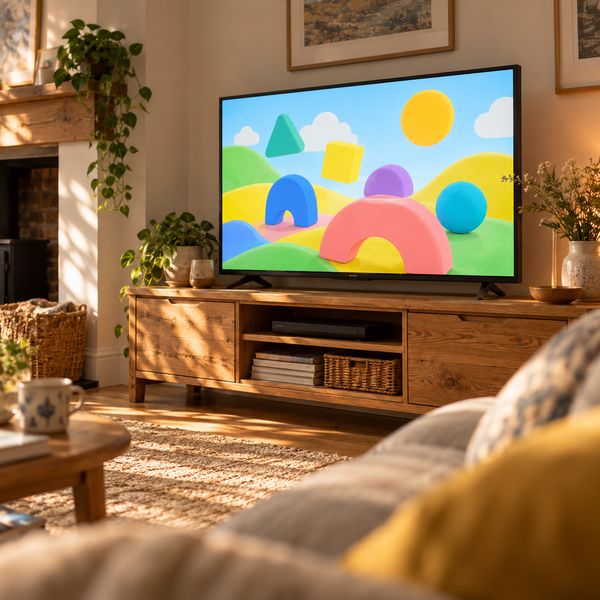 Then: favourite showA photo of the TV with their favourite programme on, or whatever they love most at home.
The first picture answers “where are we going?” The second answers “and what happens there?”, with something they actually want. Instead of being pulled away from the car, they can see themselves moving towards something good.
It works best with your own photos. A generic symbol of “house” means much less to a three-year-old than a picture of their own red door and their own sofa.
Set it up in SnapThen in about two minutes
- Take two photos next time you're home and calm: your front door from where you park, and the “then”. That could be the TV showing their favourite show, their favourite toy, the snack cupboard or the trampoline.
- Create a board called “Home” with 2 steps, and add the photos in order.
- Record a few words if it helps. In your own voice: “Front door, then telly.” Keep it the same every time. Labels and audio are optional.
- Leave it on your phone's home screen, so it's one tap away when you need it.
If your child needs a smaller step first, use three: seat belt off → front door → favourite show. Keep it as short as it can be.
Using it in the moment
- Show it before you arrive. A minute or two from home, hold the phone up: “First home, then telly.” Giving warning before the car stops is often the biggest single difference.
- Show it again when you park. Point to the front door photo, then the show.
- Keep words few and the same. Let the pictures do the talking. Your calm matters more than anything you say.
- Have the “then” ready. If the board says the show comes next, have it ready to put on as you walk in. The faster the promise is kept, the more the board is trusted next time.
- Always follow through. If the “then” doesn't happen, the board stops meaning anything. Only show what you know will happen.
If it doesn't work straight away
The “then” isn't motivating enough
Try something they love more, or something right inside the door. What works on Tuesday might not work on Saturday; it's fine to have two or three boards and pick one.
The warning comes too late
Show the board earlier in the journey, and again at the last turning. Some children need longer to shift gear.
It's still a battle some days
That's normal. Tiredness, hunger and a hard day at school all count. The board is a tool that makes the transition easier more often, not a switch. Use it consistently for a couple of weeks before deciding it doesn't help.
Your child can already follow spoken instructions
Brilliant. Many children grow out of needing pictures as their understanding of language develops. The board was there to bridge the gap while it was needed.
The same trick for other car moments
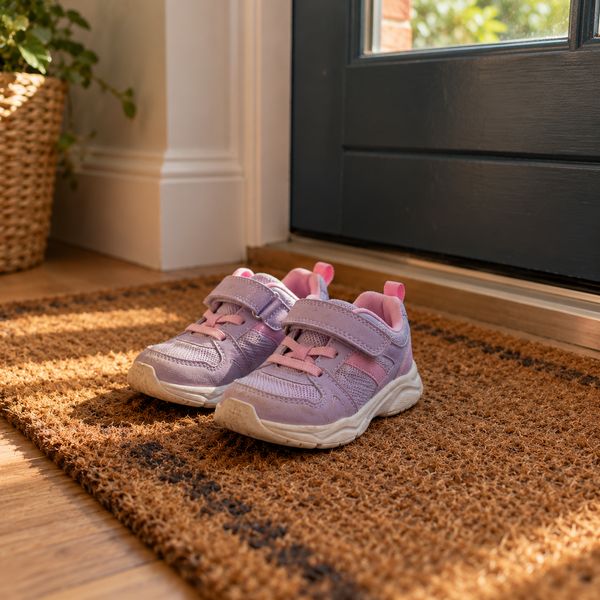 Leaving the houseShoes → car → where you're going.
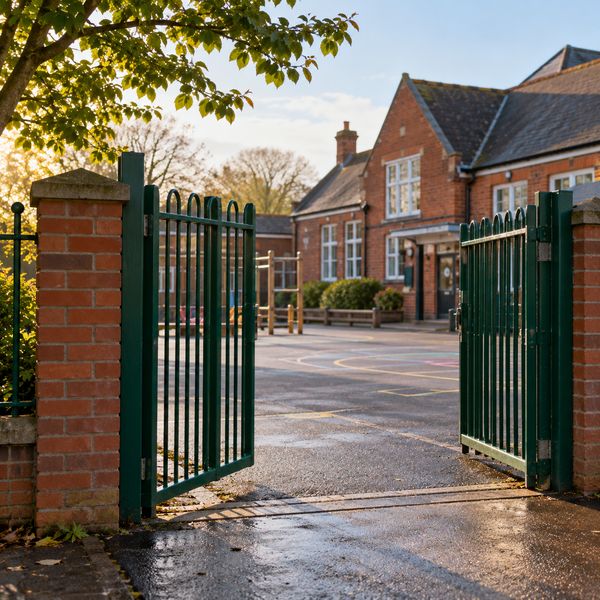 School drop-offCar → school gate → their teacher or classroom.
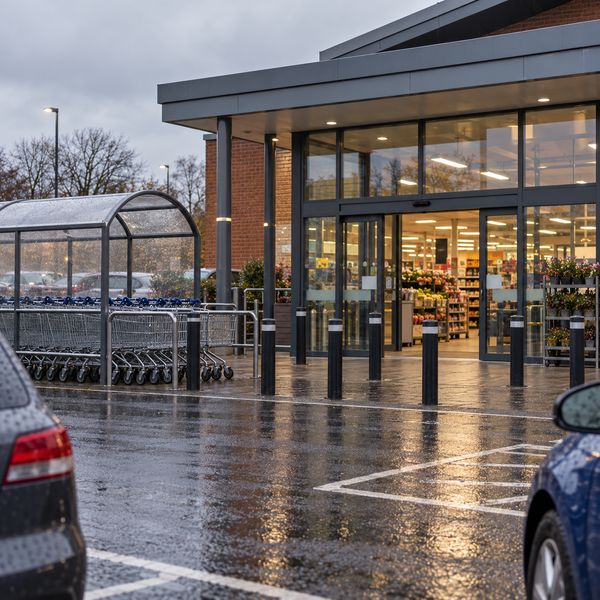 Shop stopShop → back in the car → home.
Photograph the real places once and reuse them. SnapThen keeps your photos in a saved picture library, so building the next board takes seconds.
Why visual supports help
Showing a child what's next with pictures isn't a new idea. Visual supports, including visual schedules, are listed as an evidence-based practice for autistic children in a major US review of the research, the National Clearinghouse on Autism Evidence and Practice report (2020), backed by over a hundred studies (AFIRM summary). Research into transitions specifically, such as Dettmer and colleagues' 2000 study The use of visual supports to facilitate transitions of students with autism, is often cited for visual supports reducing the time transitions take.
SnapThen is a simple form of AAC (augmentative and alternative communication) for understanding what comes next. It can sit alongside an AAC device, or help children who don't take to one. Every child is different, so if you have a speech and language therapist, they can help you adapt the approach to your child.
Try it on your next trip home
Two photos, two minutes. Start with up to two boards free.


Start with up to two boards free. A one-time purchase unlocks unlimited boards. The unlock is currently available in the UK; check your store for price and availability. Boards and photos stay on your device in normal use, with no account. See the privacy policy.